Cracking the Code: How a Few Immigrant Chefs Are Finally Making Gaziantep Food Taste Like Gaziantep
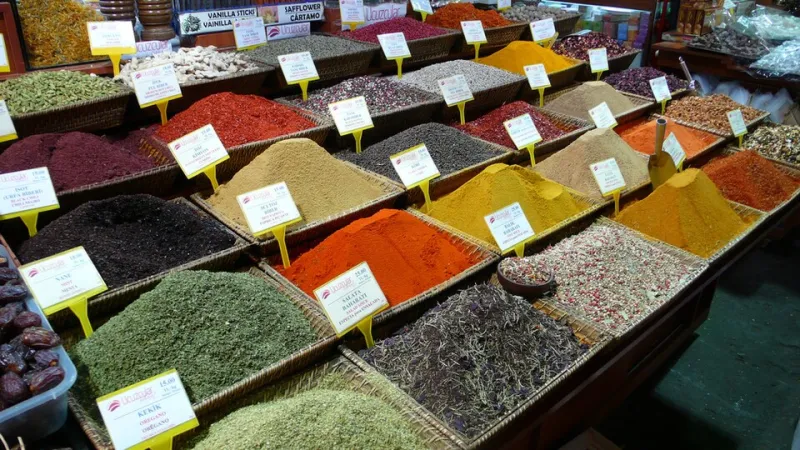
Photo: Christopher from Shanghai, China, CC BY 2.0, via Wikimedia Commons
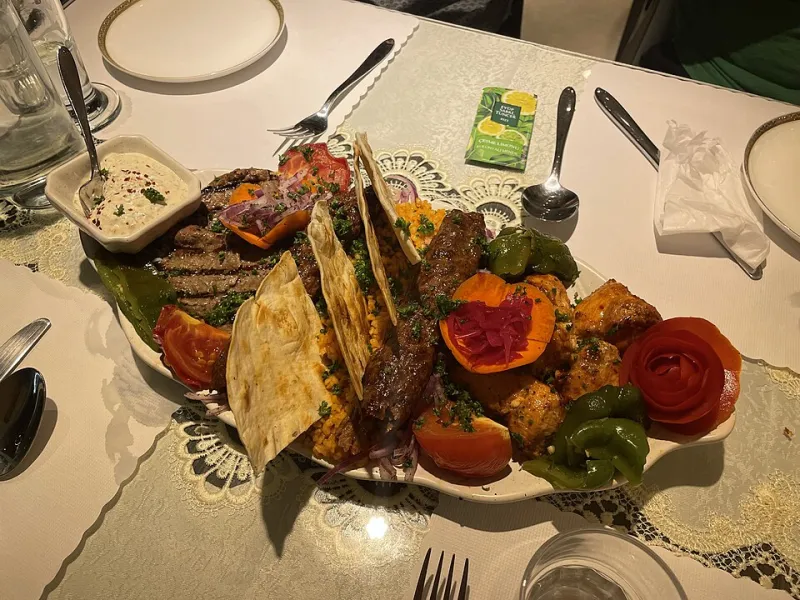
Walk into almost any Turkish restaurant in a major American city and you'll find something that looks the part. The menu mentions Gaziantep. There's a lamb dish with red pepper paste. Maybe a baklava on the dessert list with the word "pistachio" prominently featured. And yet, something is off. You can't quite name it, but the flavor doesn't land the way it should. It's like hearing a song you love played in the wrong key.
This is the quiet frustration that follows a lot of American food lovers home from Gaziantep. They've tasted the real thing, and now nothing stateside quite measures up.
But something is shifting. Slowly, in restaurant kitchens from Houston to New York to Los Angeles, a small group of immigrant chefs — many of them originally from Gaziantep or the surrounding Southeastern Anatolia region — are closing that gap. And the story of how they're doing it is more complicated than you might expect.
It's Not Just About the Spices
The first instinct most American food writers have when confronting the authenticity gap is to blame sourcing. If you could just get the right Maraş pepper, the right dried mint, the right sumac, you'd be good, right?
Not quite. Spice sourcing matters, but chefs who've actually cracked the code say it's the ratios that were killing them first.
Gaziantep cooking is built on layered spice logic that doesn't translate neatly into recipe cards. The balance between Urfa biber (that smoky, dark, almost chocolatey dried pepper) and Maraş biber (brighter, fruitier, with a slow heat) shifts depending on the dish, the season, even the cut of meat. In Gaziantep home kitchens, this isn't measured — it's felt. Grandmothers adjust by smell. Experienced cooks taste at every stage.
When that intuitive knowledge gets translated into a restaurant setting thousands of miles away, the first casualty is usually proportion. American kitchen culture runs on standardized recipes. You need consistency across services, across staff, across locations. So the spice blend gets written down, fixed, and slowly the soul leaches out of it.
The Shortcut That Kills the Dish
There's another culprit that several chefs pointed to: pepper paste. Specifically, the difference between homemade biber salçası and the commercial jarred versions widely available in the U.S.
In Gaziantep, the red and hot pepper pastes used as cooking bases are often made at home or sourced from trusted small producers. The paste is sun-dried, thick, complex, and deeply savory. The jarred version sold in American Turkish or Middle Eastern grocery stores tends to be saltier, thinner, and one-dimensional. When it becomes the foundation of a dish, everything built on top of it reflects that flatness.
Chefs who've found workarounds are either importing paste directly from producers they trust back home, making their own from dried peppers sourced through specialty importers, or — in a few inventive cases — sourcing New Mexico and Aleppo peppers grown in the U.S. and doing their own processing. It's labor-intensive and adds real cost, but the flavor difference is significant.
The Mental Shift Nobody Talks About
Beyond the physical ingredients, there's something harder to quantify that separates the best Gaziantep-influenced cooking in America from the rest: a different relationship with time.
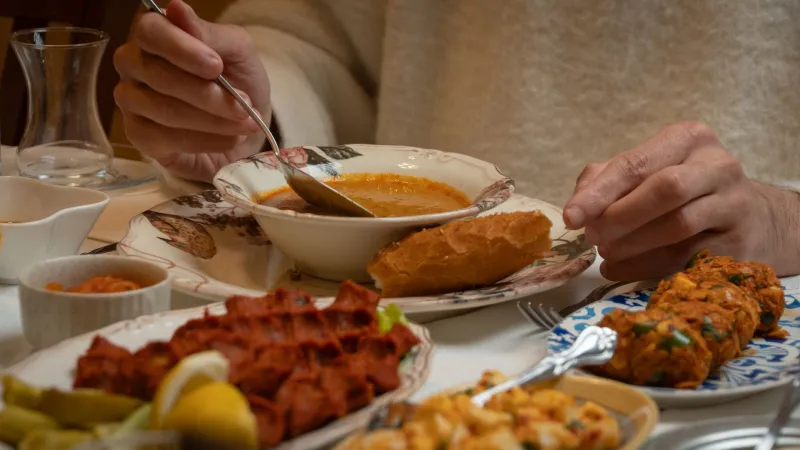
Gaziantep cooking is slow. Not performatively slow in the way that American farm-to-table restaurants advertise their 48-hour braises. Slow in a way that's structural. Stocks are built over long periods. Lamb is cooked until it gives up completely. Stuffed vegetables are made in batches that take most of a day. The flavor of a dish like beyran or katmer doesn't come from technique alone — it comes from the accumulated patience baked into every step.
American restaurant economics push hard against that. Labor costs, table turns, prep windows — all of it compresses time in ways that slowly degrade the food. The chefs making it work have mostly found a way to insulate certain core preparations from that pressure. The lamb stock might take two days and never get rushed. The pepper paste might be made in bulk once a month. The compromise happens elsewhere in the menu, not in the foundational elements.
Climate Is a Real Thing
Here's something that rarely gets discussed seriously: Gaziantep's food tastes like Gaziantep partly because of where Gaziantep is.
The city sits at the edge of the Fertile Crescent at around 2,300 feet above sea level. The climate is semi-arid, with hot summers and cool winters. The pistachios grown in the surrounding region develop their specific flavor profile because of that soil and that sun. The lamb raised in the area eats a particular mix of wild herbs and grasses. The wheat grown nearby has characteristics that affect the dough in ways that aren't fully replicable with American flour.
None of this means you can't make excellent food inspired by Gaziantep in the U.S. But it does mean there's an honest ceiling on how close you can get without the actual ingredients from that actual place. The chefs who acknowledge this ceiling tend to cook with more integrity than the ones who pretend it doesn't exist.
What's Actually Working
The restaurants getting closest to the real thing share a few common traits. They're usually small, often family-run, and staffed by people with a personal connection to the region. The menus tend to be shorter than you'd expect — a focused list of dishes done with real attention rather than a sprawling tour of Turkish cuisine. And the owners have almost all made multiple return trips to Gaziantep specifically to recalibrate, to eat, and to bring things back.
If you're in a major American city and want to find this kind of cooking, the best approach is to look for restaurants where the menu explicitly references Southeastern Turkey or Antep cuisine rather than generic "Turkish" food. Ask whether the chef has a personal connection to the region. And if the baklava is made with local Antep pistachios — not the California kind — that's usually a good sign.
The gap is closing. It's closing slowly, and it'll never fully close. But for American food lovers who've been to Gaziantep and spent the years since chasing that flavor, even getting a few steps closer is worth celebrating.