Table for One, City for Everyone: A Solo Traveler's Real Guide to Eating in Gaziantep
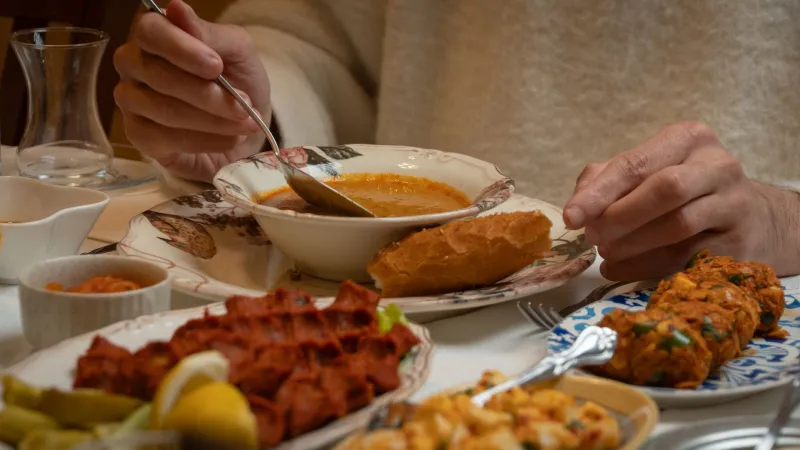
Here's the thing nobody warns you about before you go to Gaziantep alone: the food culture is profoundly, architecturally communal. Menus are designed for sharing. Portions assume multiple people. The table itself is understood as a social event, not just a delivery mechanism for calories. Walk into a traditional family restaurant by yourself at noon and you'll feel, at least briefly, like you've shown up to someone else's birthday party without an invitation.
That feeling passes. And what replaces it — if you approach the city with some patience and a willingness to let things be awkward for a minute — is genuinely special.
This guide is for American solo travelers who want to experience Gaziantep's food culture authentically, not just eat safely in tourist-facing restaurants where the menu has pictures and the staff speaks English. Those places exist and they're fine. But the real city is somewhere else, and getting to it alone is entirely possible.
Understanding Why It Feels the Way It Feels
Before the logistics, some context.
In Gaziantep — and in Turkish food culture more broadly — eating alone carries a mild social weight that it doesn't carry in the United States. Americans eat solo constantly: at desks, in cars, standing over a kitchen sink. It's unremarkable. In Gaziantep, a meal is understood as something that happens between people. Food is how hospitality is expressed, and hospitality requires a recipient and a host.
This doesn't mean solo travelers are unwelcome. It means the social script is slightly different, and knowing that going in makes the experience much easier to navigate. You're not doing anything wrong by eating alone. You're just slightly outside the default expectation, which is actually a great position to be in if you're curious and open.
Locals are often genuinely curious about solo foreign travelers. That curiosity is the door you walk through.
The Breakfast Strategy
Start with breakfast. This is the single most effective entry point for solo dining in Gaziantep, and it's also, conveniently, one of the most spectacular meals the city offers.
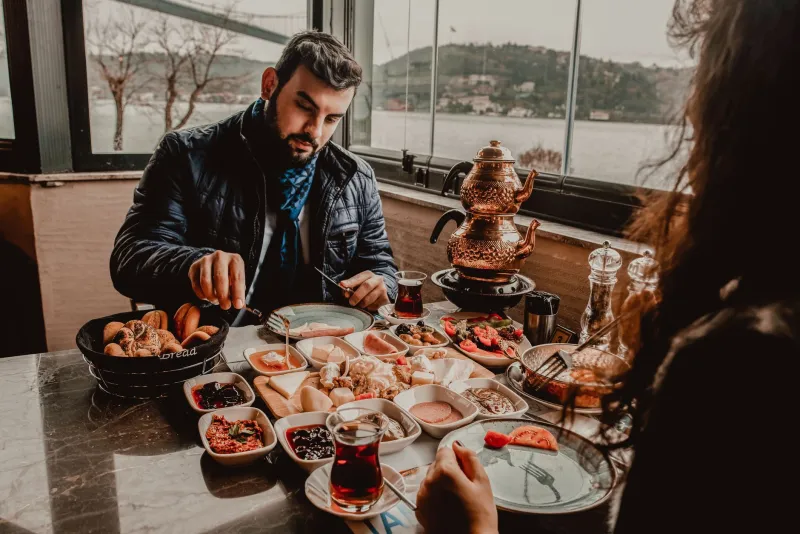
The traditional kahvaltı spread — cheeses, olives, eggs, honey, clotted cream, fresh vegetables, warm bread — is served at small neighborhood tea houses and breakfast spots that cater to locals heading to work or market. These spots are accustomed to single customers. A man or woman sitting alone with a glass of tea and a plate of cheese is a completely ordinary sight at seven in the morning.
Order a basic set breakfast, eat slowly, watch the room. The proprietor will almost certainly ask where you're from. That question is the beginning of everything. Answer it honestly and with enthusiasm about the food, and you'll likely end the meal with a recommendation, a small extra dish that appeared without explanation, or an invitation to come back.
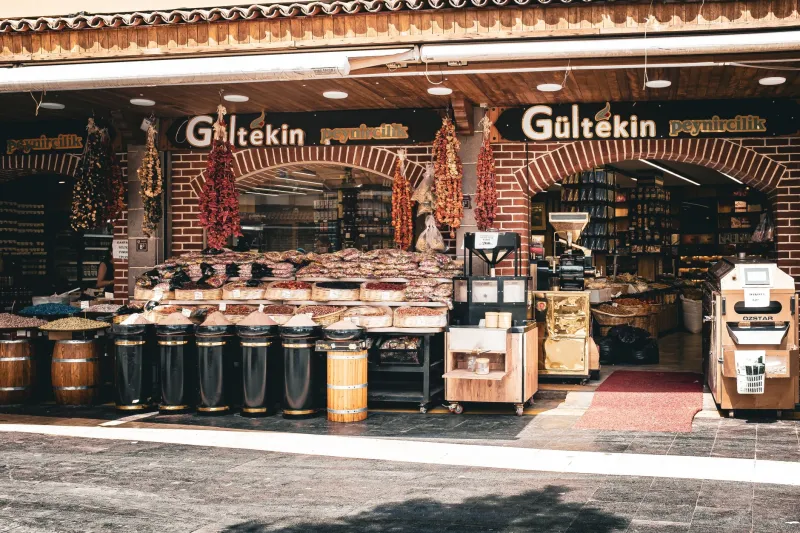
The neighborhood around the old bazaar (Uzun Çarşı) has several excellent breakfast spots where this dynamic plays out reliably.
Lunch at the Esnaf Lokantası
For midday meals, your best friend is the esnaf lokantası — a tradesman's restaurant, essentially a workers' canteen serving hot, home-style food at low prices to local workers, shopkeepers, and anyone else who needs a real meal in the middle of a day.
These places are counter-service or tray-service, which immediately eliminates the awkwardness of sitting at a table built for six. You walk up, you point at what looks good in the steam trays, you pay a modest amount, you sit wherever there's space. Solo diners are the norm, not the exception.
The food at a good esnaf lokantası is also some of the most honest cooking in the city — the kind of thing that doesn't get made for tourists because tourists don't usually find these places. Slow-cooked legume stews, braised meats, vegetable dishes that have been simmering since morning. It's not fancy. It's exactly what you want.
Ask your hotel or guesthouse to point you toward the one the staff actually eats at. That question alone will tell them something about the kind of traveler you are, and the answer will be more useful than anything on a tourist map.
Navigating the Evening
Dinner is where solo travel in Gaziantep gets genuinely interesting, and also where it requires the most intentionality.
Traditional family restaurants in the evening are full of exactly what the name implies: families. Long tables, multiple generations, the kind of meal that lasts until nine or ten at night. Walking in alone isn't impossible, but it can feel isolating in a way that breakfast and lunch don't.
A few approaches that work:
Sit at the bar or counter if one exists. Some restaurants have a small counter near the kitchen where solo diners naturally land. This is actually the best seat in the house — you'll see the cooking, you'll interact with staff, and the proximity to the kitchen means you'll often get small tastes of things that never made it to the printed menu.
Eat earlier than locals do. Gaziantep families typically sit down for dinner between seven and nine. If you arrive at six, you'll often have the room more to yourself, the staff will have more time to talk with you, and you'll feel less conspicuous.
Order the tasting approach. When you're alone and the portions are designed for groups, ask the server which two or three dishes best represent the kitchen. Frame it as wanting to understand the food. In a city this proud of its culinary identity, that question is almost always received warmly, and you'll frequently end up with a guided meal rather than a confusing menu negotiation.
On Joining Local Tables
It does happen. Not every day, not at every restaurant — but if you're eating alone in a busy neighborhood spot and every table is full, someone will gesture for you to sit with them. This is not unusual in Turkish dining culture.
If it happens, say yes. Bring whatever Turkish you have (even teşekkür ederim — thank you — goes a long way). Smile a lot. Accept whatever is offered. You don't need to share a language to share a table, and some of the most memorable meals in Gaziantep happen exactly this way — two strangers eating together because the room was full and hospitality filled the gap.
The Mindset That Makes It Work
Solo travel in a communal food culture asks you to let go of the American instinct to optimize and control your dining experience. You can't always choose your table, predict your portion, or ensure a quiet meal. Things will be louder and more chaotic than you planned. Someone will put food in front of you that you didn't order and wave off any attempt to pay for it.
Let that happen. The city is not trying to exclude you. It's doing what it has always done — feeding people, making them welcome, pulling strangers into the warmth of the table. The fact that you showed up alone just means there's more room for Gaziantep to surprise you.
And it will.