Three Days, Zero Regrets: What a Hardcore Gaziantep Food Weekend Actually Does to You
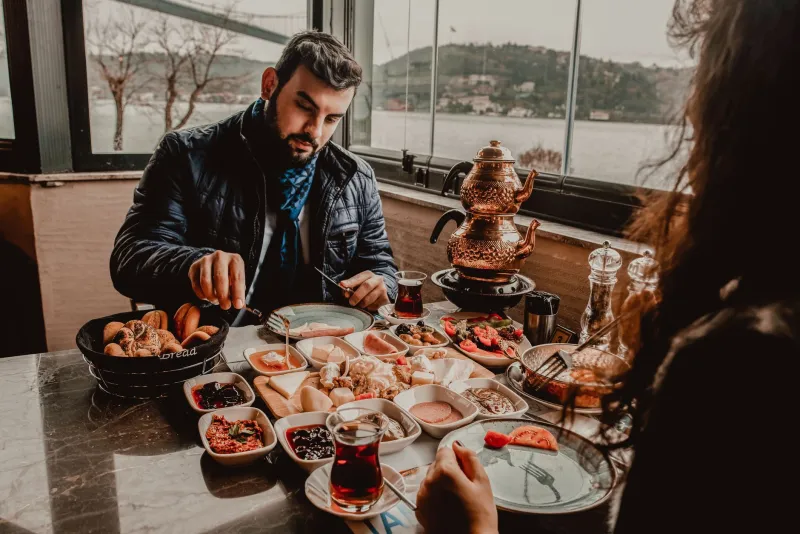
Somewhere around hour 14 of their Gaziantep food marathon, Marcus and his wife Dena from Portland, Oregon, had a conversation they hadn't planned on having. They were sitting in a tiny restaurant in the old city, working through a bowl of beyran — a rich, spiced lamb soup that locals eat for breakfast, sometimes as early as 6 a.m. — and Marcus said, quietly, "I think I've been eating wrong my whole life."
Dena didn't argue with him.
That moment, small and a little ridiculous and also completely sincere, captures something that happens to a surprising number of American visitors who commit to a serious, immersive food experience in Gaziantep. It's not just that the food is exceptional, though it absolutely is. It's that the city's entire relationship with eating is so fundamentally different from the American approach that spending three days inside it can genuinely recalibrate something.
Here's what 72 hours in Gaziantep looks like — and what it can do to a person.
Day One: Arrival and the First Shock
Most American visitors land in Gaziantep having done their homework. They know about the baklava. They've read about the pistachios. They're expecting good food.
What they're not expecting is the pace.
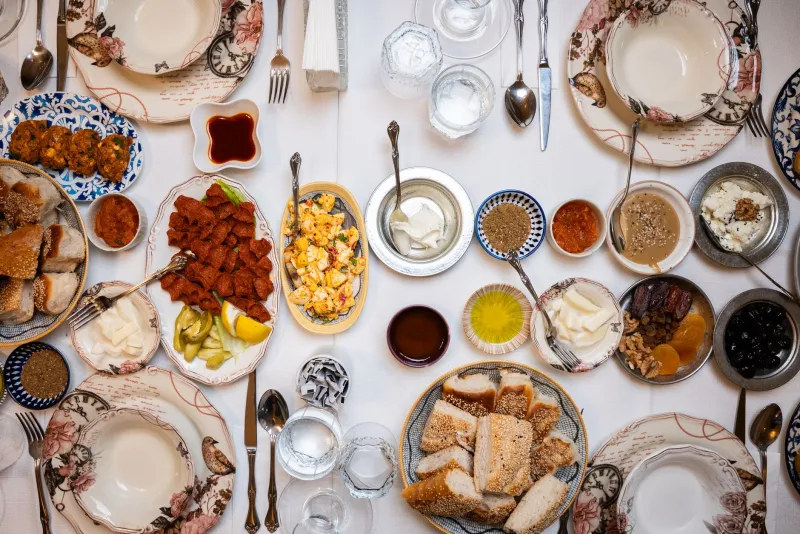
A proper Gaziantep meal doesn't rush. Dishes arrive in waves. Conversation is considered part of the meal, not background noise. The idea of eating at your desk or in a car would strike most locals as genuinely strange — food is something you give your full attention to, or you're not really eating.
For American visitors, especially those used to efficient lunch breaks and dinner in under an hour, Day One is often an exercise in decompression. Groups like Marcus and Dena's — they traveled with two other couples, all in their late 30s and early 40s, all self-described "food people" — typically spend the first evening at a traditional meyhane, a casual tavern-style restaurant, working through a long spread of mezze and grilled meats. The food is extraordinary. But the bigger adjustment is learning to slow down enough to actually taste it.
"I kept waiting for the check," admitted Dena later. "And then I realized the check wasn't coming because nobody thought we were done. We weren't done. That took me a while to absorb."
Day Two: The Psychological Shift
By the second day, something interesting tends to happen. The calorie math that many Americans carry around constantly — the mental calculation of what you ate versus what you exercised, what you "deserve" versus what you're "allowed" — starts to feel irrelevant.
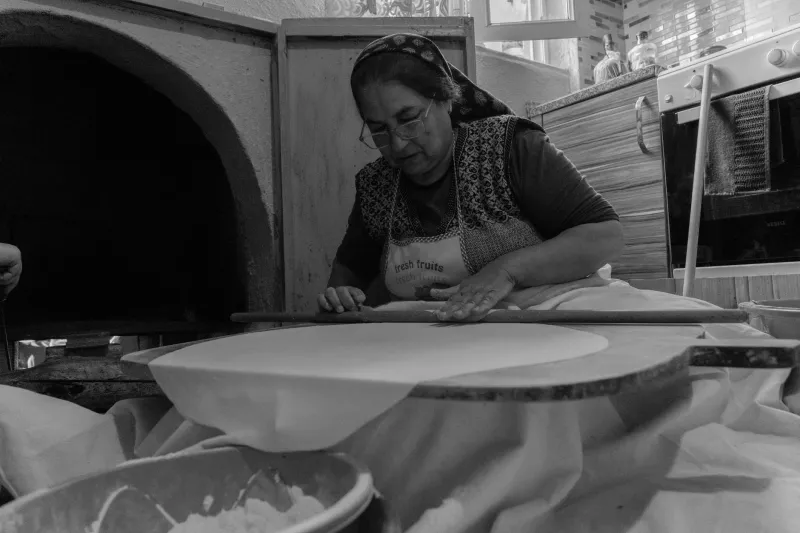
This isn't accidental. Gaziantep's food culture doesn't have much room for that kind of transactional relationship with eating. Food here is hospitality. It's history. It's family. It's craft. Watching a kebab master work a charcoal grill with the focused precision of a surgeon, or sitting with a baklava maker who can tell you the name of the pistachio orchard his nuts came from, makes counting macros feel not just unnecessary but vaguely insulting to the whole enterprise.
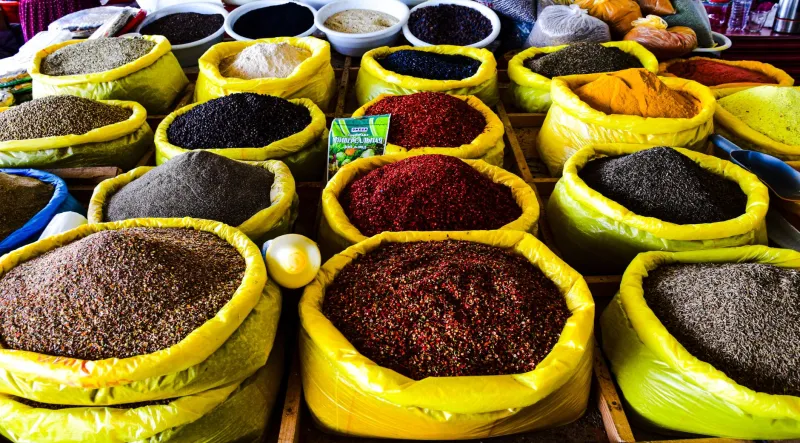
Day Two of a serious Gaziantep itinerary typically involves the spice market in the morning — a sensory experience that deserves its own article — followed by a cooking class or a visit to one of the city's historic hans, the old caravanserai buildings that now often house artisan workshops and food producers. In the afternoon, lahmacun: the thin, crispy flatbread topped with spiced minced meat that Gaziantep does better than anywhere else. For dinner, a long table at a family-run restaurant, the kind of place where the owner might sit down with you at some point and ask where you're from.
By the end of Day Two, Marcus reports, the group had stopped taking photos of every dish. "We just started eating," he said. "Which sounds obvious, but it felt like a breakthrough."
Day Three: The Baklava Reckoning
No 72-hour Gaziantep itinerary is complete without a dedicated, serious engagement with baklava. Not a piece or two at a restaurant. An actual visit to one of the city's renowned baklava houses, ideally in the morning, when the trays are fresh and the pistachio filling is still slightly warm.
Gaziantep baklava is made with local Antep pistachios and a dough so thin you can read through it. The result is lighter than most Americans expect — less sugary, more complex, with a nuttiness that dominates rather than drowning in syrup. It's the kind of thing that makes people immediately want to know how it's made.
Several members of the Portland group described the baklava experience on Day Three as a kind of culminating moment. Not just because of the quality, but because by that point they'd spent two days understanding the context — the pistachio orchards, the family traditions, the craft — and could taste all of that in every bite.
"It stopped being dessert," said Dena. "It became something more like a conclusion."
What You Bring Home
The surprising thing about the 72-hour Gaziantep food experience isn't the weight gain, which is real and worth it. It's the shift in perspective that tends to follow visitors home.
Multiple American travelers who've done serious food trips to Gaziantep describe cooking differently afterward. Not necessarily cooking Turkish food, though many try. But cooking with more intention. Spending more time at the table. Being less distracted. Treating a meal as an event rather than a task.
That might sound like a lot to credit to a long weekend of eating. But Gaziantep has a way of making its point through pleasure rather than lecture. Nobody tells you to slow down. The food just makes slowing down feel like the only reasonable response.
Marcus and Dena are already planning a return trip. This time, they're thinking five days.