What No Culinary School Teaches: The Gaziantep Home Kitchen Secrets American Chefs Are Flying Across the World to Learn
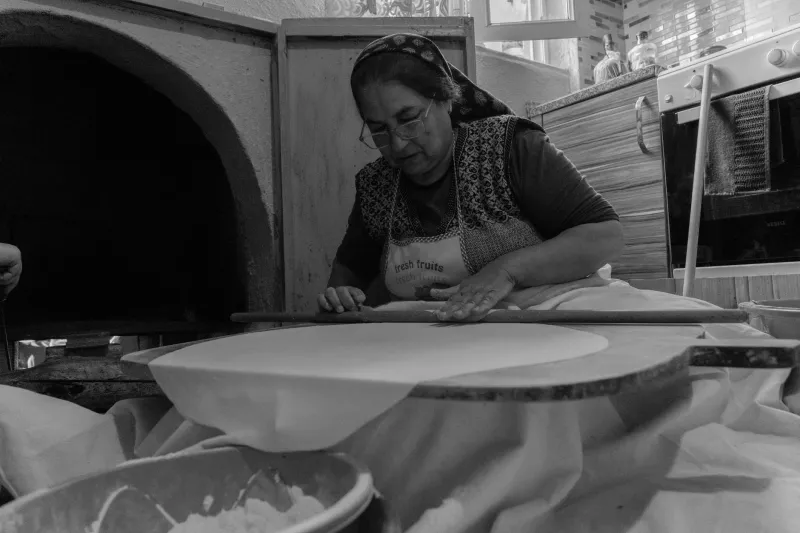
Somewhere in a narrow residential lane in Gaziantep's Şahinbey district, a woman named Fatma Hanım is doing something that would make a classically trained chef deeply uncomfortable. She's cooking without measuring anything. Not a pinch, not a tablespoon — nothing. She dips her fingers into a jar of dried red pepper flakes, rubs them between her palms, lifts the mixture to her nose, and decides, based entirely on what her senses tell her, whether the pot needs more. It does. She adds it. The dish is extraordinary.
This is the kind of moment that has been quietly pulling American culinary professionals to Gaziantep over the past decade. And the lessons they're bringing home are reshaping how a growing number of chefs in cities like Portland, Nashville, and Chicago think about what cooking actually is.
The Gap Between Technique and Wisdom
American culinary education is, by most measures, excellent at teaching technique. You'll graduate from a respected program knowing how to execute a perfect brunoise, manage heat across different protein types, and build a mother sauce from scratch. What you won't necessarily learn is how to think like a cook who has spent forty years feeding a family of eight on a budget, adjusting for seasons, making do with what the market offered that morning, and producing food that people genuinely crave.
That distinction — between technical proficiency and intuitive culinary wisdom — is exactly what draws visitors to Gaziantep's home kitchens.
"I came out of culinary school thinking I understood flavor layering," says Marcus Webb, a line cook from Denver who spent three weeks in Gaziantep last year through an informal home-stay arrangement organized by a local cultural association. "Then I watched Aunt Güler — that's what everyone called her — build a lamb and eggplant stew, and I realized I had been thinking about it all wrong. She wasn't adding flavors. She was coaxing them out of the ingredients themselves. It's a completely different philosophy."
Flavor as Relationship, Not Formula
Gaziantep home cooks tend to describe their approach in relational terms that don't translate neatly into the vocabulary of Western culinary instruction. Ingredients aren't components in a formula — they're participants in a conversation. The cook's job is to listen as much as to direct.
This shows up most clearly in how local cooks handle the city's famous pepper pastes — both the fiery red acı biber salçası and the milder, sweeter tatlı version. In a culinary school context, these might be treated as condiments or flavor additives, measured out and applied at a specific stage of cooking. In a Gaziantep home kitchen, the relationship between the cook and the paste is far more dynamic. A home cook might taste the paste on its own, assess how this particular batch differs from the last, and then decide not just how much to use but when — early in the cooking process to mellow and deepen, or later to preserve brightness and heat.
"There's no recipe for that decision," says Selin Arslan, a Gaziantep native who now runs informal cooking sessions for visiting food professionals. "My mother just knows. And the reason she knows is that she's been paying attention to that ingredient for thirty years. No classroom can give you that."
The Pantry as Philosophy
One of the first things American visitors notice in a Gaziantep home kitchen is the pantry — and specifically, how it functions as a living archive of the family's culinary identity. Jars of home-dried peppers sit alongside last season's walnut oil. Pomegranate molasses made by a grandmother's recipe occupies a shelf next to commercially produced spice blends. Everything has a story, and every story informs how the ingredient gets used.
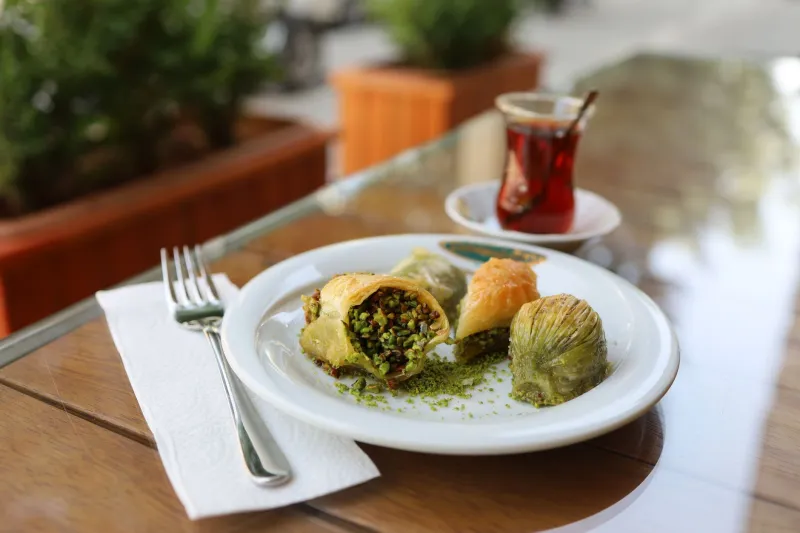
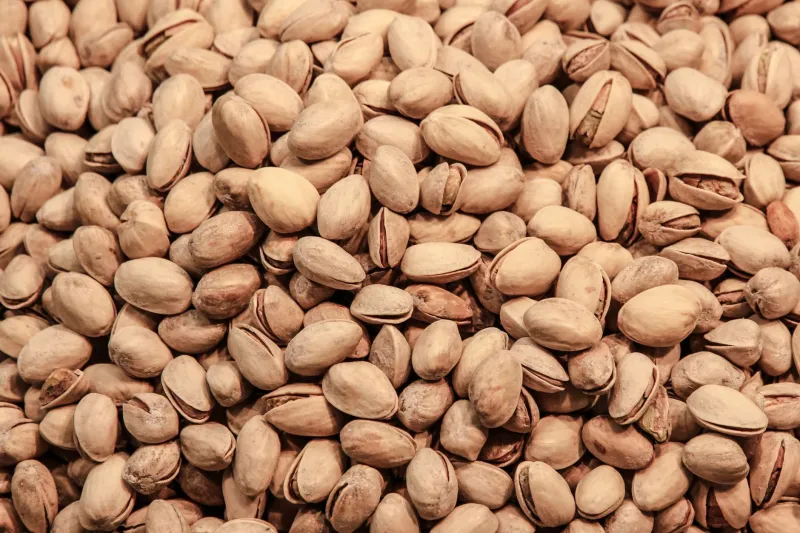
This stands in sharp contrast to the restaurant-kitchen model that most American chefs are trained in, where ingredients are sourced for consistency and interchangeability. In Gaziantep, the slight variation between this year's pistachio harvest and last year's isn't a problem to be engineered around — it's information to be incorporated.
Chef Priya Nambiar, who runs a modern Middle Eastern restaurant in Brooklyn and visited Gaziantep on a research trip two years ago, describes the pantry philosophy as one of her biggest takeaways. "I came back and completely rethought how I stock my kitchen. I started building relationships with specific small producers rather than just buying from a broadline distributor. It sounds obvious when I say it out loud, but I needed to see a seventy-year-old woman in Gaziantep open her pantry to really understand it."
Time as an Ingredient
Another lesson that tends to hit American visitors hard is the Gaziantep home cook's relationship with time. Not patience exactly — though there's plenty of that — but a genuine understanding that certain transformations simply cannot be rushed, and that the cook's job is to create the conditions for those transformations to happen, then step back.
The slow-cooked lamb dishes that define much of the region's celebratory cooking are the most obvious example. But the principle extends to quieter preparations too: the way a simple yogurt sauce is left to sit and develop before serving, or how dried herbs are bloomed in fat at a temperature so low that a Western chef might mistake it for a mistake.
"I kept wanting to turn up the heat," Marcus Webb admits. "Everything in my training was about efficiency and control. And Aunt Güler would just look at me and shake her head. She'd say, in Turkish, something like — 'it's not ready to talk to you yet.' That phrase broke my brain in the best possible way."
What Visitors Can Do
For American travelers interested in experiencing this culinary philosophy firsthand, Gaziantep offers a few different entry points. Several local cultural organizations now coordinate home cooking visits, where small groups can spend a morning or afternoon cooking alongside local families. These aren't polished cooking classes with matching aprons and printed recipe cards — they're real family kitchens, real meals, and real conversations about food and life.
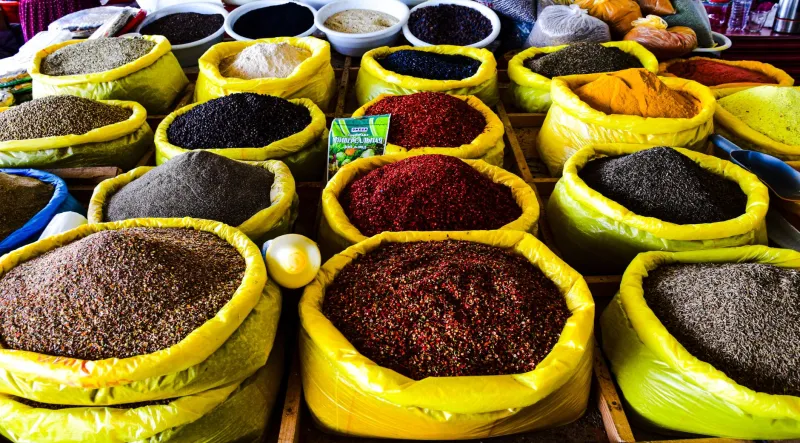
The city's covered bazaars also offer an education in ingredient literacy that's hard to replicate elsewhere. Spending a few hours moving through the spice market with a local guide — or even just observing how experienced home cooks shop, what they smell, what they reject, what questions they ask — can shift your understanding of ingredient quality in ways that stick with you long after you're back home.
And if you're lucky enough to be invited to share a meal in a Gaziantep home, pay attention to the moment before the food is served. Watch the cook taste one final time. Watch the small adjustments. Watch the decision-making that happens in real time, without hesitation, without a recipe, and without any apparent effort.
That's the lesson. It just takes a lifetime to learn it.