From Turkish Orchards to Your Trail Mix: The Gaziantep Pistachio Story Americans Need to Know
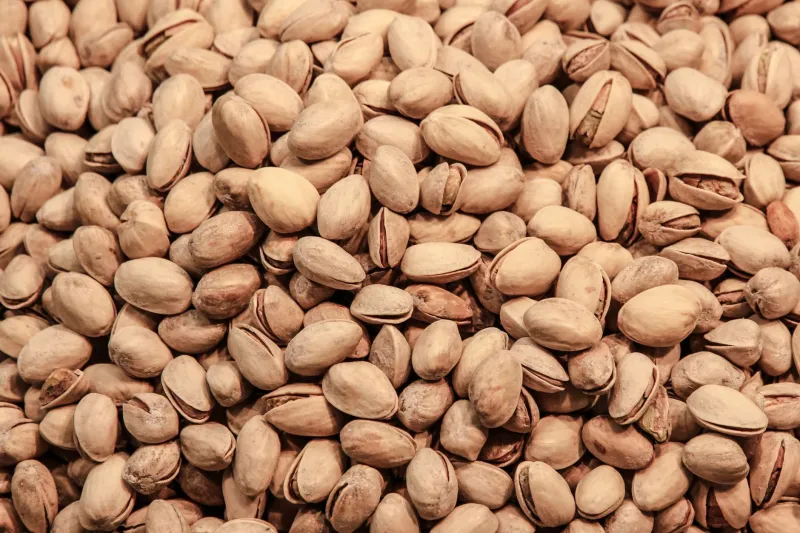
Walk into any Whole Foods, Trader Joe's, or upscale farmers market in the US right now and you'll notice something happening in the snack aisle. Pistachios — once a humble road-trip staple stained red from artificial dye — have had a serious glow-up. They're showing up in artisan chocolate bars, cold-pressed pistachio oils, high-end baklava kits, and premium nut butters that cost more per jar than a decent bottle of wine. And a surprising amount of the best stuff? It traces back to one city in southeastern Turkey.
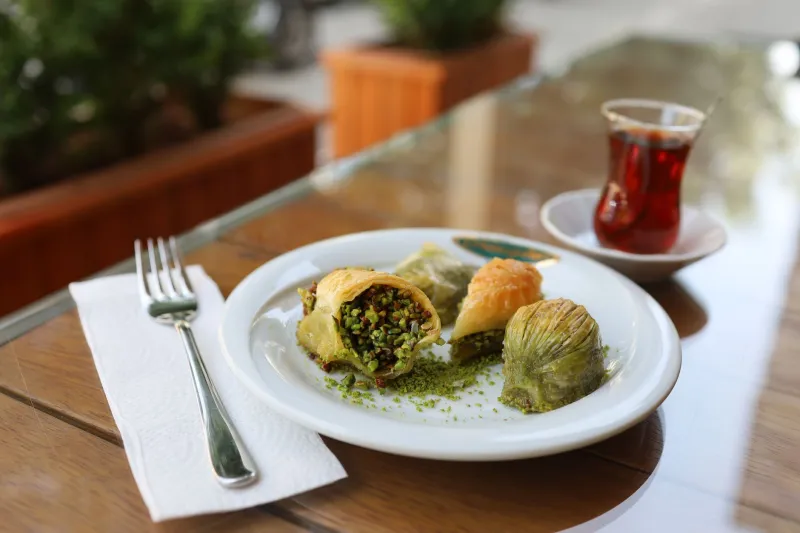
Gaziantep — already famous among food travelers for its kebabs, spice bazaars, and UNESCO-recognized culinary heritage — is also ground zero for what might be the world's most prized pistachio. Locals call them Antep fıstığı, and if you've ever had a piece of baklava in this city and wondered why it tasted nothing like the version from your local Greek diner, the nut is a big part of the answer.
Why Gaziantep Pistachios Hit Different
It's not marketing spin. The pistachios grown in and around Gaziantep genuinely occupy a different flavor category from the California-grown nuts most Americans are used to. The region's geology and climate conspire to produce something special: hot, dry summers, mineral-rich volcanic soil, and a dramatic swing between daytime heat and cool nights that concentrates sugars and develops a deeper, more complex nuttiness.
Gaziantep and its surrounding provinces account for a staggering share of global pistachio output — estimates consistently put the region's contribution at more than half of worldwide production in peak years. That's not a small footnote. That's a monopoly on flavor.
The trees themselves are part of the story. Many of the orchards dotting the rocky hillsides outside the city center are tended by families who have been growing pistachios for generations. These aren't industrial operations with GPS-guided harvesters. They're small, often terraced farms where the harvest still happens largely by hand in late summer, when workers spread tarps beneath the trees and shake the branches until the clusters of bright green nuts fall.
Meeting the People Behind the Nut
If you make the trip to Gaziantep — and honestly, you should — one of the most memorable things you can do is get outside the city limits and into the orchards. Local tour operators and the Gaziantep Gastronomy Tourism Association can connect visitors with farms that welcome guests during harvest season, roughly August through October.
Talk to a farmer like Mehmet, a third-generation pistachio grower whose family has worked the same rocky plot since his grandfather's time. He'll tell you, through a translator or with the help of a bilingual guide, that the trees don't even begin producing a meaningful crop until they're around fifteen years old. Full maturity takes closer to fifty. "You plant for your grandchildren," he says, in a line that lands differently once you're standing in an orchard that old.
That long-term thinking shapes everything about how Gaziantep pistachios are grown and treated. There's no rushing the process, no incentive to cut corners when the trees themselves demand patience across generations.
From the Orchard to the Processing Floor
Once harvested, the nuts move to processing facilities — many of them clustered in and around Gaziantep's industrial districts — where the outer hull is removed, the nuts are dried, sorted, and graded with remarkable precision. Premium grades are separated by size and color, with the most vivid green kernels commanding the highest prices on the export market.
Several facilities have started offering guided tours, particularly as international interest in food provenance has grown. Watching the sorting process is oddly mesmerizing — conveyor belts, optical sensors, and skilled workers pulling out any nut that doesn't meet grade. The smell alone is worth the visit: warm, grassy, faintly sweet in a way that's completely unlike the roasted, salted version you'd grab from a bowl at a bar.
The Gaziantep Chamber of Commerce and local tourism offices can help arrange visits to processing cooperatives that work with international buyers. These aren't sanitized showroom experiences — they're working facilities, and that's exactly what makes them interesting.
Why American Food Brands Are Coming Here
Over the last decade, a growing number of US specialty food companies have started making the sourcing trip to Gaziantep rather than defaulting to domestic California pistachios or cheaper imports from Iran. The reasons aren't complicated: the flavor profile is simply more sophisticated, the supply chain is increasingly transparent, and consumers are willing to pay for authenticity.
Small-batch chocolate makers in Brooklyn and Portland have built marketing campaigns around single-origin Antep pistachios. A boutique olive oil company in California launched a pistachio oil that became a cult item at specialty retailers. Several high-end ice cream brands now specifically call out Gaziantep sourcing on their packaging the same way coffee roasters flag Ethiopian or Colombian origins.
For American food entrepreneurs and buyers, Gaziantep is increasingly a destination in its own right — not just a supply chain stop, but a place to understand the product, build relationships with growers, and come home with a story worth telling.
Where to Taste and Buy in the City
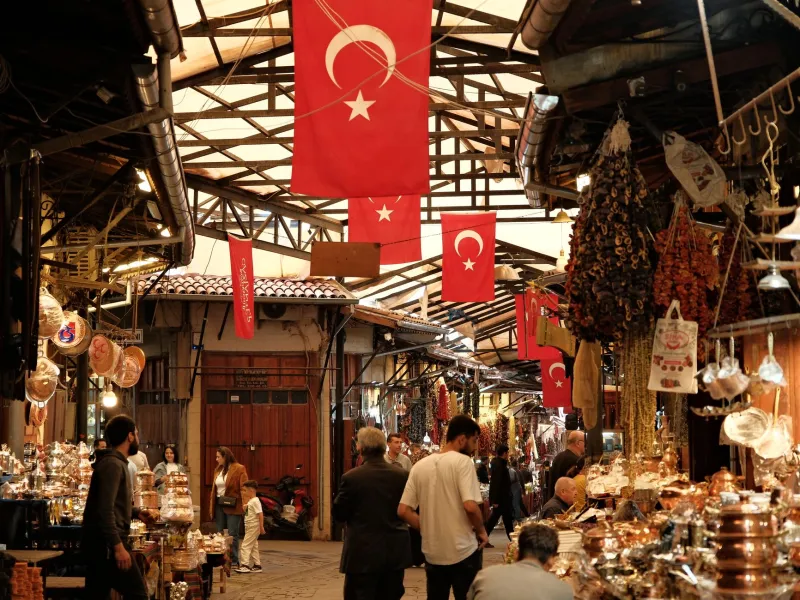
For visitors, the best pistachio education happens at street level in Gaziantep. The Zincirli Bedesten and the covered bazaars near the Coppersmith's Bazaar are stacked with vendors selling pistachios in every form imaginable — raw, roasted, salted, sugared, ground into paste, pressed into oil, folded into candy, layered into pastry.
A few stops worth making:
- Güllüoğlu and other legacy baklava houses — the pistachio baklava here is the benchmark everything else gets measured against
- The Spice Bazaar — where you can buy raw and roasted pistachios by weight and take home more than your checked luggage can technically hold
- Imam Çağdaş — another institution where pistachio-stuffed dishes show up in savory applications that will rewire your assumptions about where this nut belongs on the plate
If you want to bring some home, look for vacuum-sealed packages from reputable local producers. The raw, unsalted kernels travel well and will keep for months if stored properly. Your trail mix, your morning yogurt, and your holiday baking will all be better for it.
The Bigger Picture
The American snacking market is in the middle of a slow but real shift — away from processed, artificially flavored products and toward ingredients with genuine provenance and flavor depth. Gaziantep's pistachios sit right at the intersection of those trends. They're not a novelty or a food-world fad. They're one of the oldest cultivated crops in this part of the world, grown by families who measure time in generations, and they taste like exactly that.
Coming to Gaziantep and seeing where they come from doesn't just make the nuts taste better when you get home. It makes you understand why this city has been at the center of the food world for a very long time — and why it's not going anywhere.