Your Cheat Sheet to Gaziantep's Spice Bazaars: What to Buy, What to Skip, and How to Bring It All Home
Let's be honest. Most American travelers who wander into a Turkish spice market for the first time do one of two things: they buy the prettiest-looking jars they can find, or they freeze up entirely and leave with nothing. Neither approach is going to serve you well in Gaziantep.
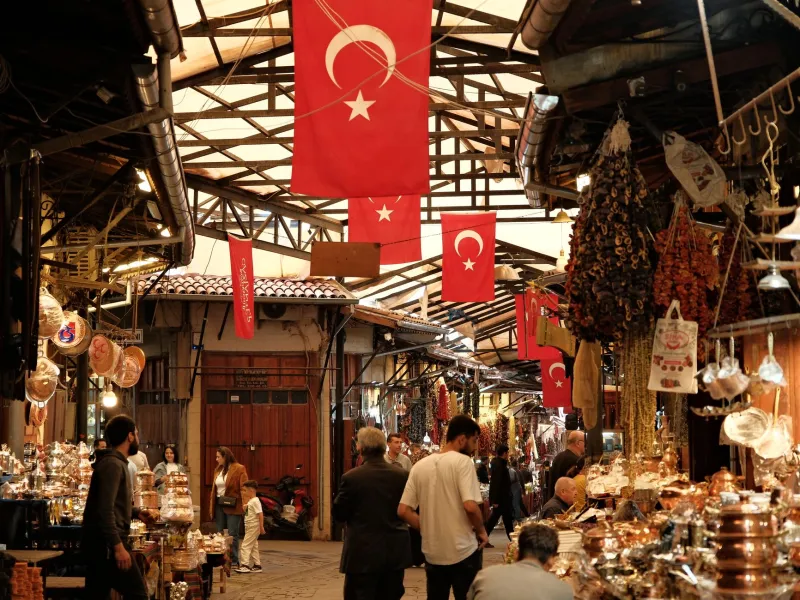
This city doesn't do tourist-grade spices. The markets here — especially the famous Zincirli Bedesten and the surrounding lanes of the old bazaar district — are working supply chains for some of the most serious cooks in the world. Gaziantep has held UNESCO Creative City of Gastronomy status since 2015, and the spice trade is a huge part of why. What that means for you as a visitor is simple: the quality ceiling here is extraordinary, but you have to know what you're looking at.
Here's your field guide.
First, Get Your Bearings
The spice vendors in Gaziantep's bazaar area are concentrated around the Bakırcılar Çarşısı (the Coppersmiths' Market) and the older covered passages nearby. Don't just grab the first stall you see at the entrance — those spots often cater to foot traffic and may not offer the best value. Walk deeper into the market. The vendors who've been there for decades tend to be further in, and they're usually the ones with the good stuff.
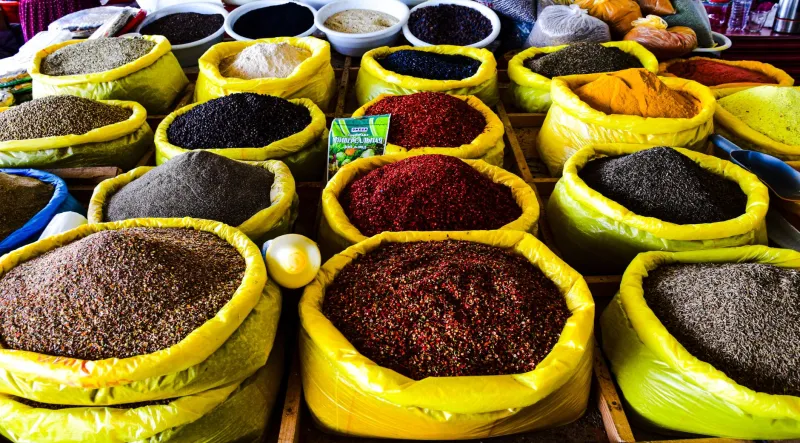
Most stalls display their wares in open bins or large sacks. This is actually a feature, not a bug. You're supposed to lean in, take a whiff, ask questions. Vendors here expect engaged customers. If you approach a stall looking curious and a little lost, someone will almost certainly help you — and many younger vendors or stall assistants speak passable English.
The Spices You Actually Need to Know
Gaziantep cooking leans on a handful of key spices and blends that you simply won't find at the same quality level back home. Here's what to prioritize:
Isot (Urfa Biber): This is the one. Isot pepper is a dark, almost burgundy-colored dried chili that originates from nearby Urfa and is used constantly in Gaziantep cooking. It has a slow, smoky heat that builds rather than bites, with a slightly oily texture and a flavor that American cooks sometimes describe as raisiny or chocolatey. It is nothing like the crushed red pepper in your pantry. Buy it. Bring a lot of it.
Pul Biber (Aleppo-Style Pepper Flakes): Slightly brighter and fruitier than isot, pul biber is another must-grab. You may have seen Aleppo pepper at specialty stores in the US — what you'll find in Gaziantep is the Turkish cousin, and the freshness difference is significant. Look for flakes that are moist and slightly oily to the touch, not dusty or dried out.
Cumin (Kimyon): Yes, you have cumin at home. No, it doesn't taste like this. Freshly ground or recently dried cumin from this region has an intensity that will make you question every cumin-forward dish you've ever made. It's worth buying even if you're skeptical.
Sumac: Tart, lemony, and deeply red, sumac is one of those ingredients that American cooks are slowly discovering. In Gaziantep, it's used on everything from kebabs to salads. The color should be a vivid, deep red — pale or brownish sumac has lost its potency.
Dried Mint (Nane): Sounds simple. Tastes completely different from what you'll find at a US grocery store. Gaziantep's dried mint has a clean, almost cooling quality that works beautifully in yogurt sauces and lentil soups.
How to Spot Quality (Without Speaking Turkish)
You don't need to be fluent to read quality cues. Use your senses:
- Color: Vibrant, saturated color usually means freshness. Dull, faded spices have been sitting around too long.
- Smell: This is your best tool. Everything in these markets is meant to be smelled. If a vendor doesn't offer you a sample to sniff, ask. A good spice should hit you immediately — not faintly, not weeks later.
- Texture: Oily spices like isot and pul biber should feel slightly moist between your fingers. Powders should be fine and clump-free. Anything that feels chalky or overly dry has probably been around too long.
- Price: Extremely cheap spices in tourist-facing stalls are often lower-grade product. You're not trying to spend a fortune here, but if something seems suspiciously affordable, it probably is.
The Blends Worth Buying Pre-Mixed
Some things are better bought ready-made. Gaziantep vendors put together spice blends that would take you hours to replicate, and the proportions reflect generations of local cooking knowledge.
Look for kebab seasoning blends — these are used to season ground meat mixtures and usually include a combination of isot, cumin, black pepper, and sometimes cinnamon or allspice. Also keep an eye out for çorba baharı (soup spice), a blend specifically designed for lentil and vegetable soups that works beautifully with winter cooking back home.
Just be sure to ask what's in any pre-mixed blend before you buy — some vendors add salt, which affects how you'd use it in recipes.
Getting It Home Without a Headache
Good news: dried spices are generally fine to bring back to the United States. The TSA and US Customs don't have issues with whole dried spices or ground spice blends in sealed packaging. A few practical tips:
- Buy sealed packaging when possible. Many vendors will vacuum-seal purchases on request, which also keeps things fresh longer.
- Label everything. If you're buying multiple bags, jot down what each one is in English before you leave the stall. Everything looks the same once it's in a bag.
- Pack spices in your checked luggage. They won't trigger any carry-on issues, but the pressure changes in overhead compartments can occasionally pop loose bags. Checked bags are safer.
- Double-bag anything with a strong smell. Isot in particular will perfume everything around it. Your fellow passengers will thank you.
One Last Thing
The best advice for navigating Gaziantep's spice markets is also the simplest: slow down. These aren't places designed for a ten-minute sweep. They're places where relationships matter, where the vendor who sees you genuinely curious about isot pepper might pull out something from behind the counter that isn't even on display. Take your time, ask questions, and let the market teach you something.
You'll cook differently when you get home. That's kind of the whole point.