Dinner Isn't Just a Meal in Gaziantep — It's a Full-On Cultural Event Americans Barely Recognize
Picture your average Tuesday night dinner in the United States. Maybe it's something reheated in front of the TV. Maybe it's a sad desk sandwich eaten between Zoom calls. Maybe it's a drive-through bag passed between car seats on the way to soccer practice. We've all been there — and most of us don't even question it anymore.
Then you land in Gaziantep.
Within your first twenty-four hours in Turkey's culinary capital, you'll probably witness something that feels almost theatrical by comparison: a full family dinner. Not a holiday dinner. Not a birthday. Just a regular weeknight. And it will stop you cold.
The Table Is Set Before You Even Know You're Hungry
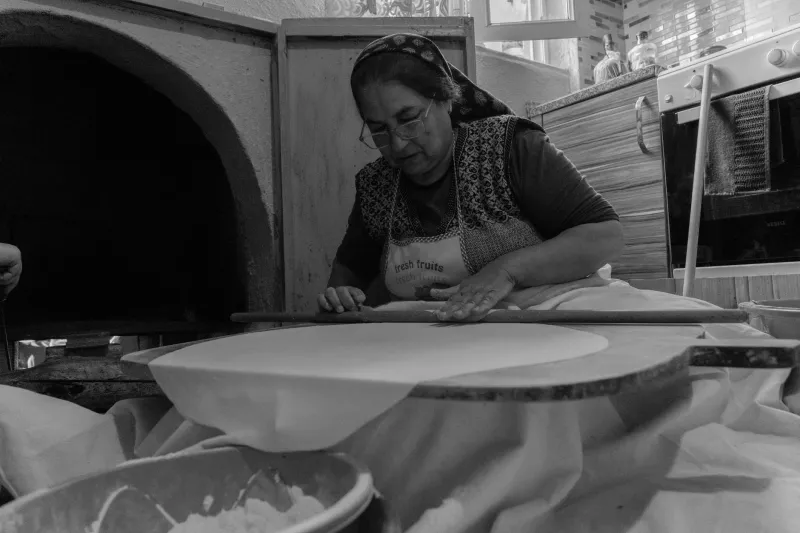
In Gaziantep households, meal preparation doesn't start when someone gets home from work. It starts in the afternoon — sometimes earlier. Grandmothers begin rolling dough. Mothers simmer broths. Daughters prepare the mezze spreads that'll anchor the table before the main dishes ever arrive. The act of cooking is itself communal; it's not a chore assigned to one exhausted person. It's a shared project that connects the people doing it before the first bite is ever taken.
American visitors often describe watching this process as unexpectedly emotional. There's something about seeing three generations of women working in the same kitchen — laughing, correcting each other, tasting from the same spoon — that triggers a kind of cultural whiplash. We know, intellectually, that this kind of thing exists. We've just quietly stopped doing it.
By the time everyone gathers at the table, the meal isn't just food. It's already been marinated in hours of shared labor and family time.
No One Eats Alone, and No One Eats Fast
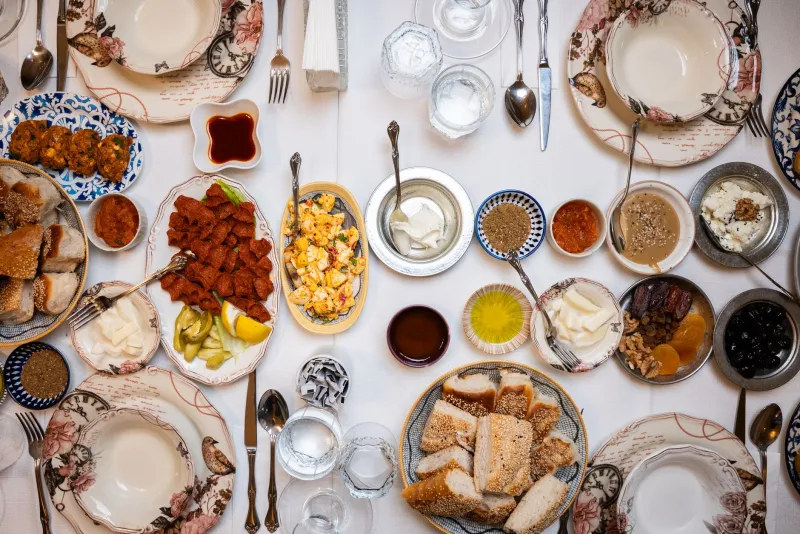
The structure of a Gaziantep dinner is worth understanding before you visit, because it'll reframe what you observe. Meals here unfold in stages. The table fills with small plates — think roasted eggplant, herb-flecked yogurt, pickled vegetables, stuffed grape leaves — before any centerpiece dish appears. This isn't just about flavor variety. It's a pacing mechanism. It forces slowness.
Conversation happens between bites, not despite them. Dishes are passed rather than portioned. Bread is torn and shared rather than sliced and plated individually. The physical act of eating together reinforces the social fabric in ways that feel almost invisible until you're sitting in the middle of it.
In the US, we've largely moved toward individual plating — everyone gets their portion, and the interaction with the food becomes private. In Gaziantep, the food itself is still communal property until it's in your mouth. That's not a small distinction.
A typical dinner can stretch two, three hours without anyone checking their phone or glancing at the clock. The meal ends when conversation naturally winds down, not when a timer goes off.
What Multi-Generational Cooking Actually Looks Like in Practice
One of the most striking things for American travelers in Gaziantep is the unbroken chain of culinary knowledge on display at almost every family table. Recipes here aren't written down in most households — they're transmitted through proximity and repetition. A grandmother doesn't hand her granddaughter a recipe card for beyran or lahmacun. She shows her, again and again, until the proportions and techniques live in the younger woman's hands.
This has real implications for what the food tastes like, but it also has implications for family structure. When cooking is something you learn from someone you love, over years, the meal you produce carries that relationship inside it. Every dish is, in a quiet way, an act of remembrance.
American food culture has largely outsourced this transmission — to cooking shows, recipe apps, YouTube tutorials. None of that is inherently bad, but something gets lost when the knowledge comes from a screen rather than a grandmother's hands guiding yours over a copper pot.
The Meal as Intentional Time, Not Fuel Stop
Gaziantep's dining culture operates on a philosophy that's almost countercultural by American standards: eating is not something you do while doing something else. It is the thing you're doing. The table is where you catch up, where disagreements get aired and resolved, where kids absorb family history without realizing it's happening.
For visitors, this can initially feel indulgent. We're trained to think of long meals as special occasions — anniversary dinners, holiday gatherings, the kind of thing you have to schedule weeks in advance. In Gaziantep, it's just Thursday.
The knock-on effects of this approach are visible in how people carry themselves. There's a groundedness in Gaziantep's social culture that's hard to articulate but easy to feel. People seem genuinely present with each other in a way that's become rarer and rarer in American daily life.
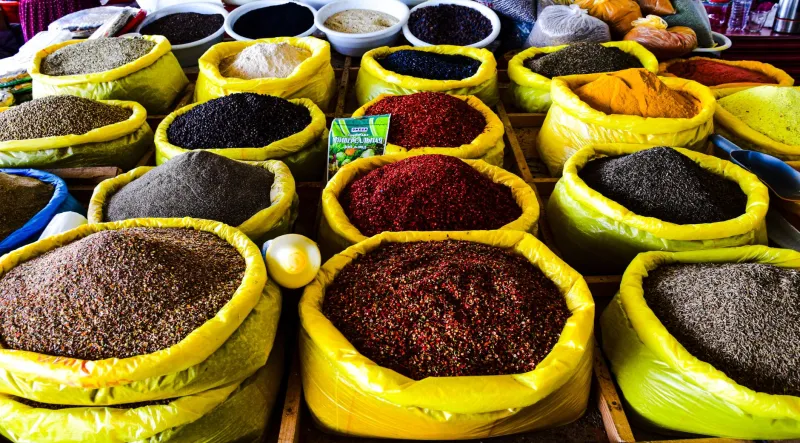
What You Can Actually Take Home (Beyond the Spices)
Here's the honest travel angle: you can't replicate a Gaziantep dinner table in your Chicago apartment or your Houston suburb. The ingredients, the architecture of the meal, the generational depth — those aren't things you can import. But that's not really the point.
What visiting Gaziantep can do is recalibrate your sense of what's possible and what you've quietly given up. Spending even a few days in a culture where the dinner table is treated as sacred — where no one apologizes for how long the meal is taking, where the food and the people eating it receive equal attention — has a way of making your default habits back home feel like choices rather than inevitabilities.
And choices, unlike habits, can be changed.
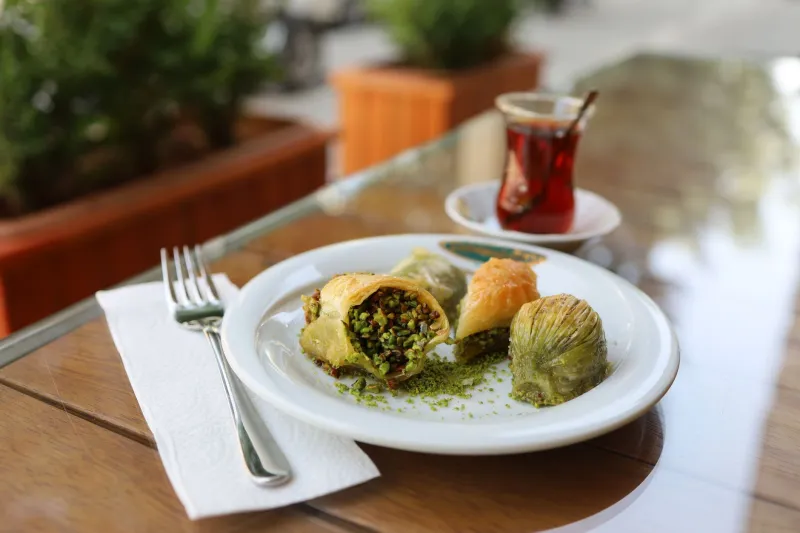
Some American travelers come to Gaziantep for the baklava and the bazaars. They leave with something harder to photograph: a slightly different understanding of what a meal is actually for. If that sounds like something worth a transatlantic flight, you might be more ready for Gaziantep than you think.