Off the Tourist Map: Where People from Gaziantep Actually Go to Eat
Let's be straight with you: the tourist-approved restaurant circuit in Gaziantep is not bad. Not even close to bad. You could eat your way through every spot in every major guidebook and still leave with a full heart and a stretched waistband. But if you want to eat the way people who actually live here eat — the weekday lunch spots, the weekend breakfast joints, the street food that disappears by 11am — you need a different map. One that most visitors never find.
This is that map.
Why the Gap Exists in the First Place
Before we get into specifics, it's worth understanding why the tourist food circuit and the local food circuit diverge so sharply in Gaziantep. It's not that locals are hiding anything — it's more structural than that.
Tourist-facing restaurants invest in English menus, recognizable signage, and social media presence. They're designed to be findable. Local spots often have none of those things. The menu might be handwritten in regional shorthand on a chalkboard. The address might be a neighborhood name and a vague reference to a landmark. The hours are whatever the owner decides that day. For an American traveler navigating a new city in a language they don't speak, these places are essentially invisible — not because they're secret, but because they're not designed to be found by outsiders.
The good news: with a little guidance, they're not hard to reach.
The Breakfast Situation (And Why You Need to Wake Up Earlier)
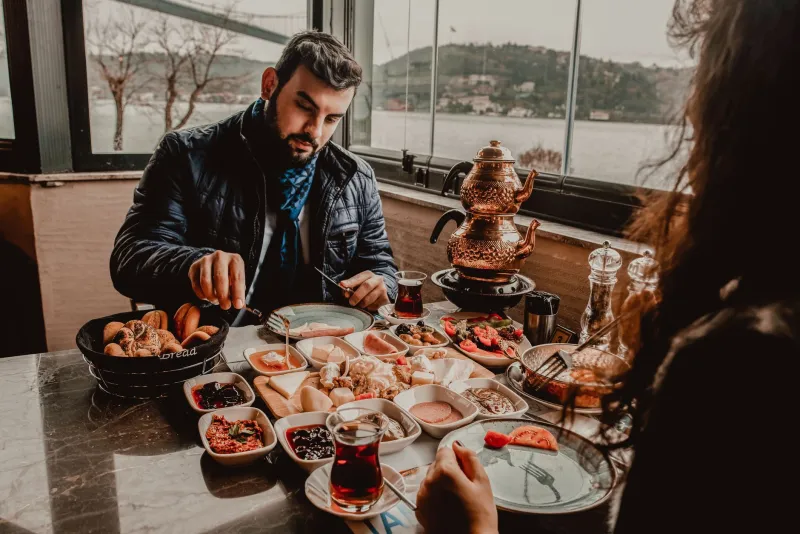
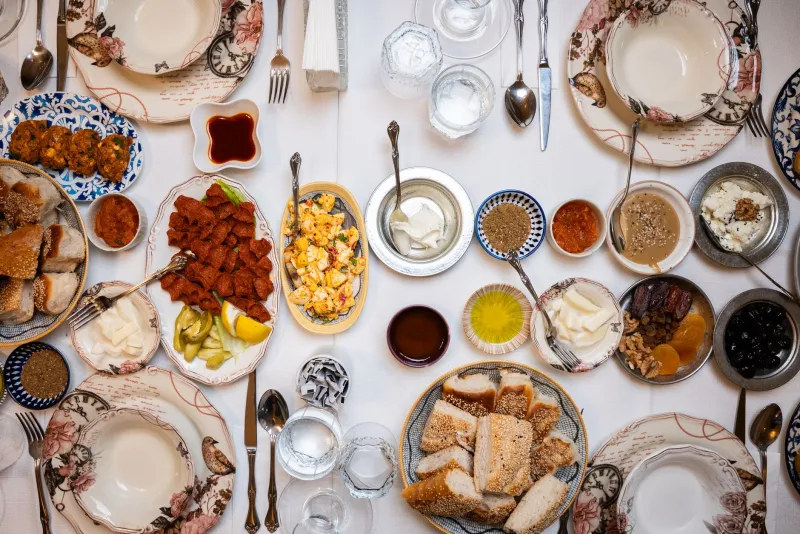
Gaziantep's kahvaltı — the morning breakfast spread — is one of the great eating experiences on earth, and the tourist version of it is genuinely excellent. But the local version, served at neighborhood tea houses and small family-run spots in residential areas, operates on a different schedule and a different vibe entirely.
In the Şehreküstü neighborhood, a short walk from the old city center, a cluster of modest breakfast spots opens before 7am and is typically packed with construction workers, shopkeepers, and retired men by 7:30. Look for places displaying trays of white cheese, olives, and fresh-baked bread in the window — there's no English signage, but the universal language of a full breakfast spread is pretty clear. Expect to pay the equivalent of three or four dollars for more food than you can reasonably finish.
The key item to order here that rarely appears on tourist menus: patlıcan ezme (roasted eggplant paste) served alongside the standard breakfast spread. Ask for it specifically — point at the eggplant if you need to — and you'll get something that doesn't appear in any guidebook but that every local considers a morning essential.
Lunch at a Lokanta: The Tray System Explained
The lokanta — a casual, cafeteria-style restaurant that serves home-cooked food from steam trays — is where most working Gaziantep residents eat their midday meal. These places are everywhere, they're extremely cheap by American standards, and they serve some of the most honest, unfussy food in the city. They're also almost entirely absent from tourism coverage.
Here's how they work: you walk in, look at what's in the trays (usually four to eight options), point at what you want, and someone scoops it onto a plate. There's no menu. There's no ordering process. You eat, you pay a flat rate (typically the equivalent of two to five dollars for a full meal with bread and a glass of tea), and you leave. The whole thing takes maybe twenty minutes.
In the Kozluca market district, several lokantaş operate out of ground-floor spaces in old commercial buildings. The signage is minimal — often just the word lokanta painted above the door — but the foot traffic from local workers at noon is your best indicator of quality. A lokanta with a line is a lokanta worth joining.
Dishes to look for: analı kızlı (a hearty chickpea and meatball soup that's a Gaziantep original), oruk (bulgur-based stuffed meatballs), and whatever the braised vegetable of the day happens to be. Point, nod, and trust the person behind the tray.
The Kebab Shops Locals Actually Use
Gaziantep's kebab reputation is global, and the tourist-facing kebab restaurants are legitimately good. But the spots where locals go for a quick kebab fix — especially for lunch or a late-evening meal — are smaller, faster, and often better.
The Bey neighborhood, slightly removed from the main bazaar area, has a concentration of small kebab shops that cater almost exclusively to local residents and market workers. These places specialize in speed: your kebab comes off the grill and into a wrap of fresh bread within minutes. The patlıcan kebabı (kebab with roasted eggplant) and soğan kebabı (onion kebab) are the local orders here — not the dishes most tourists default to, but the ones that regulars consider the real measure of a kitchen's quality.
Important logistical note: many of these spots don't have seating, or have only a few plastic stools on the sidewalk. That's not a problem — it's the point. Eat standing up, the way locals do, and you'll immediately feel less like a visitor.
Street Food Windows and the Art of the Early Arrival
Some of the best eating in Gaziantep happens at spots that don't technically qualify as restaurants at all — small windows or carts selling a single item, operating for a few hours a day and then disappearing.
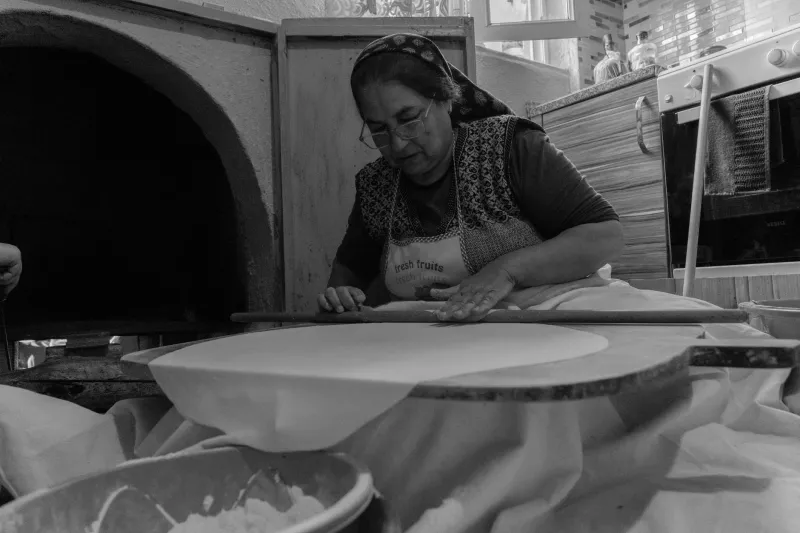
Katmer — a flaky, butter-fried pastry filled with clotted cream and crushed pistachios — is Gaziantep's most iconic breakfast street food, and while several tourist-facing spots sell it, the best version in the city comes from a small window operation near the Atatürk Bulvarı area that opens at 7am and sells out by 9:30. No seating. No menu. Just katmer, served hot, wrapped in paper. The line moves fast. Get there early.
Similarly, lahmacun (thin flatbread topped with spiced minced meat) is available all over the city, but the versions sold from small sidewalk operations near residential neighborhoods — where the dough is stretched and topped to order — are a different product from the restaurant versions. Crispier, lighter, and eaten rolled up with fresh parsley and a squeeze of lemon, it's one of the cheapest and most satisfying things you can put in your body.
A Few Practical Notes for the American Traveler
Navigating local spots requires a slightly different toolkit than tourist restaurants. A few things that will help:
Google Translate's camera function is your best friend for handwritten menus or chalkboard specials. It's imperfect but functional enough to get you through most situations.
Pointing is completely acceptable and will not be taken as rude. Locals do it all the time at lokantaş. Just make eye contact, point at what you want, and nod.
Cash is essential. Many of these spots don't take cards. Keep small bills on hand — you'll rarely spend more than the equivalent of ten dollars at any of these places, often much less.
Lunch hours are serious. The best lokantaş and street food spots peak between noon and 1:30pm and may run out of key dishes by 2pm. Don't sleep on the midday meal.
The tourist circuit in Gaziantep is a great starting point. But if you want to know what this city actually tastes like on a Tuesday afternoon — the real, unhurried, unselfconscious version — you need to wander a little further from the guidebook. The food is waiting. It's just not advertising.