Holy Month, Holy Table: An American Traveler's Real Guide to Visiting Gaziantep During Ramadan
Ramadan arrives on a different date each year, drifting backward through the Gregorian calendar by about eleven days annually. Which means that at some point in the next several years, there's a real chance your Gaziantep trip will land during Islam's holiest month. And if that happens, you should know this upfront: it will be one of the most memorable travel experiences of your life — if you approach it with the right mindset.
Let's be honest about something first. Western travelers sometimes treat Ramadan like an inconvenience — restaurants close during daylight hours, the city's rhythms shift, and the easy tourist path suddenly requires more navigation. That framing misses everything that makes the experience worth having. Gaziantep during Ramadan isn't a disrupted version of Gaziantep. It's a different, deeper, more emotionally resonant version of the city — one that most American visitors never get to see.
What Actually Changes (And What Doesn't)
During Ramadan, observant Muslims fast from dawn until sunset — no food, no water, no smoking. In a city as deeply food-identified as Gaziantep, this creates an almost paradoxical atmosphere. The kitchens are working harder than ever, filling the air with the smell of slow-cooked lamb and fresh-baked bread, but the cooks themselves won't taste a thing until the evening call to prayer.
Tourist-facing restaurants and hotel dining rooms generally remain open during daylight hours, so you won't go hungry. But many neighborhood spots and family-run lokanta will be closed until iftar — the evening meal that breaks the fast. Plan your daytime eating accordingly. Stock up on provisions in the morning, explore the bazaars (which run on adjusted hours), and lean into the slower, more contemplative pace of the city.
The bazaars themselves are fascinating during Ramadan. Vendors are fasting but working, and there's a particular quiet dignity to the way the day unfolds. Shopping is perfectly fine — traders are there to sell, and they're accustomed to non-Muslim visitors going about their normal routines. Just be mindful. Eating a sandwich directly in front of someone who's fasting isn't illegal, but it's not exactly gracious either. Step into a side street or your hotel if you need a midday snack.
Iftar: The Meal That Stops the City
At sunset, everything changes. The cannon fires (in many Turkish cities, a traditional cannon signals the end of the fast), the call to prayer sounds, and Gaziantep collectively exhales and eats.
Iftar in Gaziantep is not a quiet dinner. It's a communal event that spills out of homes, fills the courtyards of mosques, and transforms the city's restaurants into standing-room-only celebrations. Long tables are set up in public spaces. Families who haven't seen each other all day reunite. The food — always generous in Gaziantep — becomes almost theatrical in its abundance.
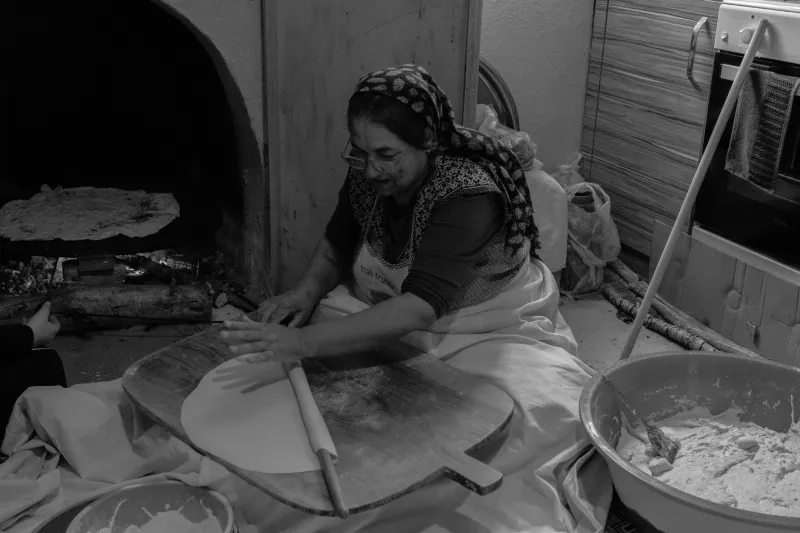
Traditionally, the fast is broken with dates and water, a practice rooted in the Prophet Muhammad's own habits. Then comes soup — almost always a lentil or yogurt-based broth — followed by the full spread. In Gaziantep, that spread will likely include some combination of kebabs, stuffed vegetables, rice pilaf, yogurt dishes, and the city's extraordinary flatbreads. Dessert, almost inevitably, involves something from the baklava family.
If you're fortunate enough to be invited to an iftar meal in a local home, accept without hesitation. This is one of the most genuine acts of hospitality Turkish culture offers, and it will give you a window into Gaziantep's food traditions that no restaurant can replicate. Bring a small gift — good quality sweets or pastries are always appropriate — and arrive on time. The meal begins at the exact moment of sunset, not whenever guests get around to showing up.
Suhoor: The Meal Before Dawn
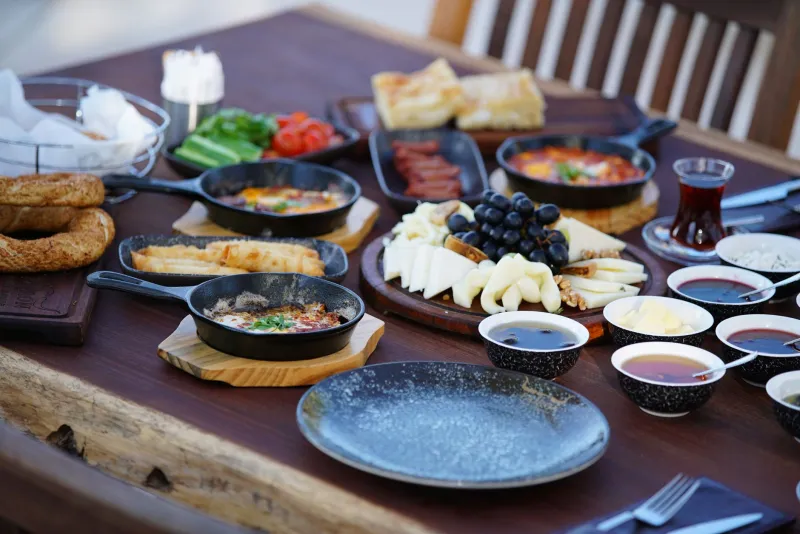
Less discussed but equally interesting for travelers is suhoor — the pre-dawn meal eaten before the fast begins again. In Gaziantep, this often means a substantial breakfast spread eaten around 3 or 4 a.m. Some restaurants stay open specifically to serve suhoor, and the atmosphere is something between a late-night diner and a quiet family gathering. If you're a night owl or an early riser, seeking out a suhoor spot is genuinely worth the effort.
Navigating Sacred Spaces During Ramadan
Gaziantep's mosques see significantly more foot traffic during Ramadan, particularly for the special Tarawih prayers held each evening after iftar. If you want to visit a mosque during this period — and you should, the atmosphere is extraordinary — dress conservatively, remove your shoes at the entrance, and be aware that evening prayer times are especially busy. Many mosques welcome respectful non-Muslim visitors, but read the room. If a prayer is actively in progress, wait quietly at the back or return another time.
A Note on Respect vs. Performance
There's a version of Ramadan tourism that treats the holy month as an exotic backdrop for Instagram content. Gaziantep's residents are gracious and won't tell you to put your phone away, but there's a meaningful difference between documenting a culture and genuinely engaging with it. Ask questions. Accept invitations. Learn a few words in Turkish — even just "Hayırlı iftar" (Blessed iftar) offered to someone breaking their fast will land with more warmth than you might expect.
Ramadan in Gaziantep will slow you down, feed you better than you've ever been fed, and show you something about the relationship between food and faith that American culture rarely surfaces. That's not an inconvenience. That's the whole point.